Scotland

Travel Guide

Scotland doesn’t believe in doing things halfway. Here the mountains are bigger, the castles are older, the roads are more scenic, and even the cows somehow have better hair than most people. Throw in a fascinating history, amazing legends, and a healthy obsession with whisky, and you’ve got a destination that’s easy to fall for.
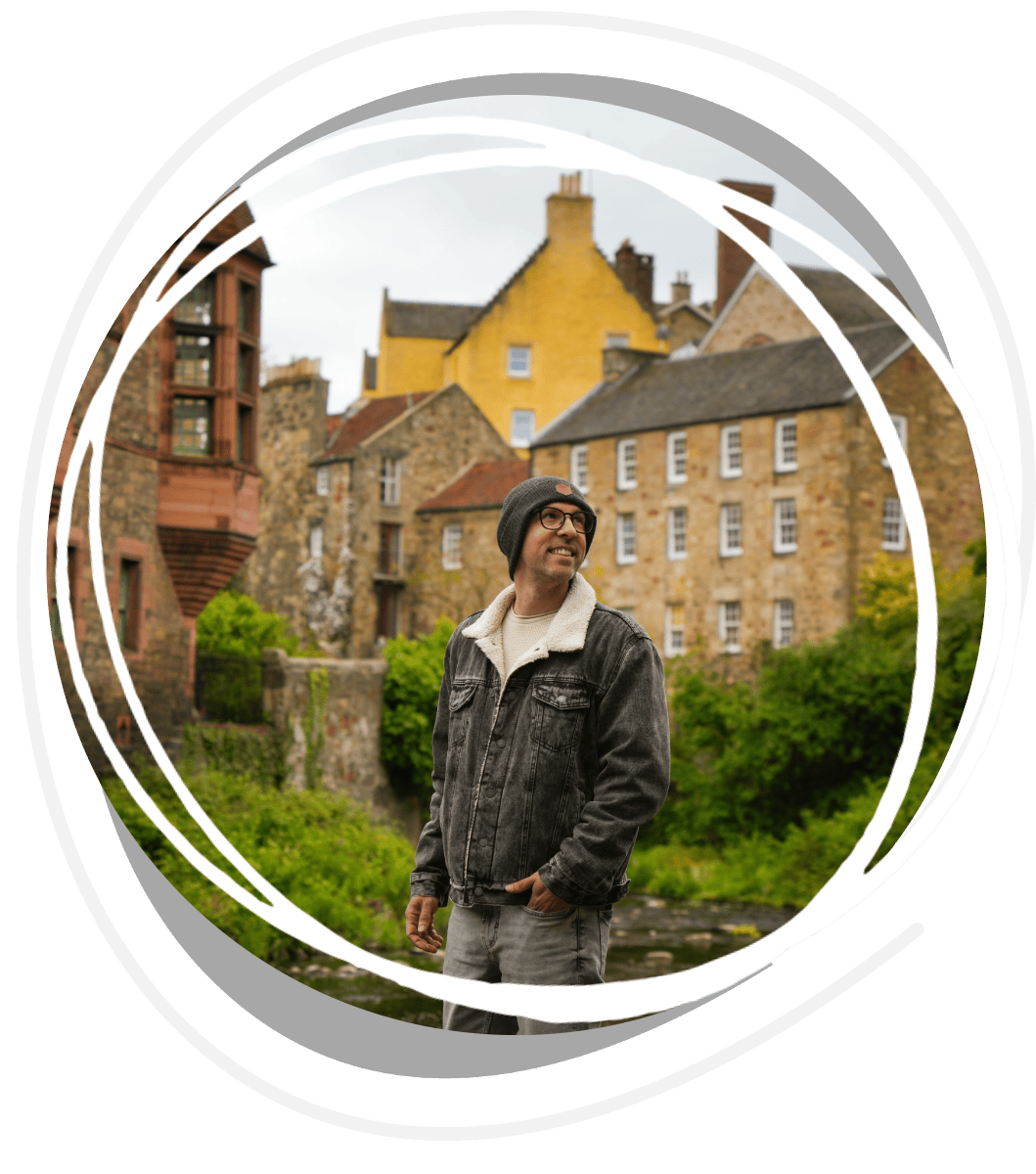

Cover of the Scotland travel blog, by Chasing Gambozinos, featuring a man in Dean Village, Edinburgh.
Illustration of sun and cloud, designed to enhance the travel blog storytelling.

When to visit?

May to September is the best time to visit Scotland.

Illustration of a bag of coins, designed to enhance the travel blog storytelling.

Currency

British Pound Sterling is the currency of Scotland.

Cover of the Scotland travel blog, by Chasing Gambozinos, featuring a man in Dean Village, Edinburgh.

Scotland

Travel Guide

Scotland doesn’t believe in doing things halfway. Here the mountains are bigger, the castles are older, the roads are more scenic, and even the cows somehow have better hair than most people. Throw in a fascinating history, amazing legends, and a healthy obsession with whisky, and you’ve got a destination that’s easy to fall for.

Illustration of sun and cloud, designed to enhance the travel blog storytelling.

When to visit?

May to September is the best time to visit Scotland.

Illustration of a bag of coins, designed to enhance the travel blog storytelling.

Currency

British Pound Sterling is the currency of Scotland.
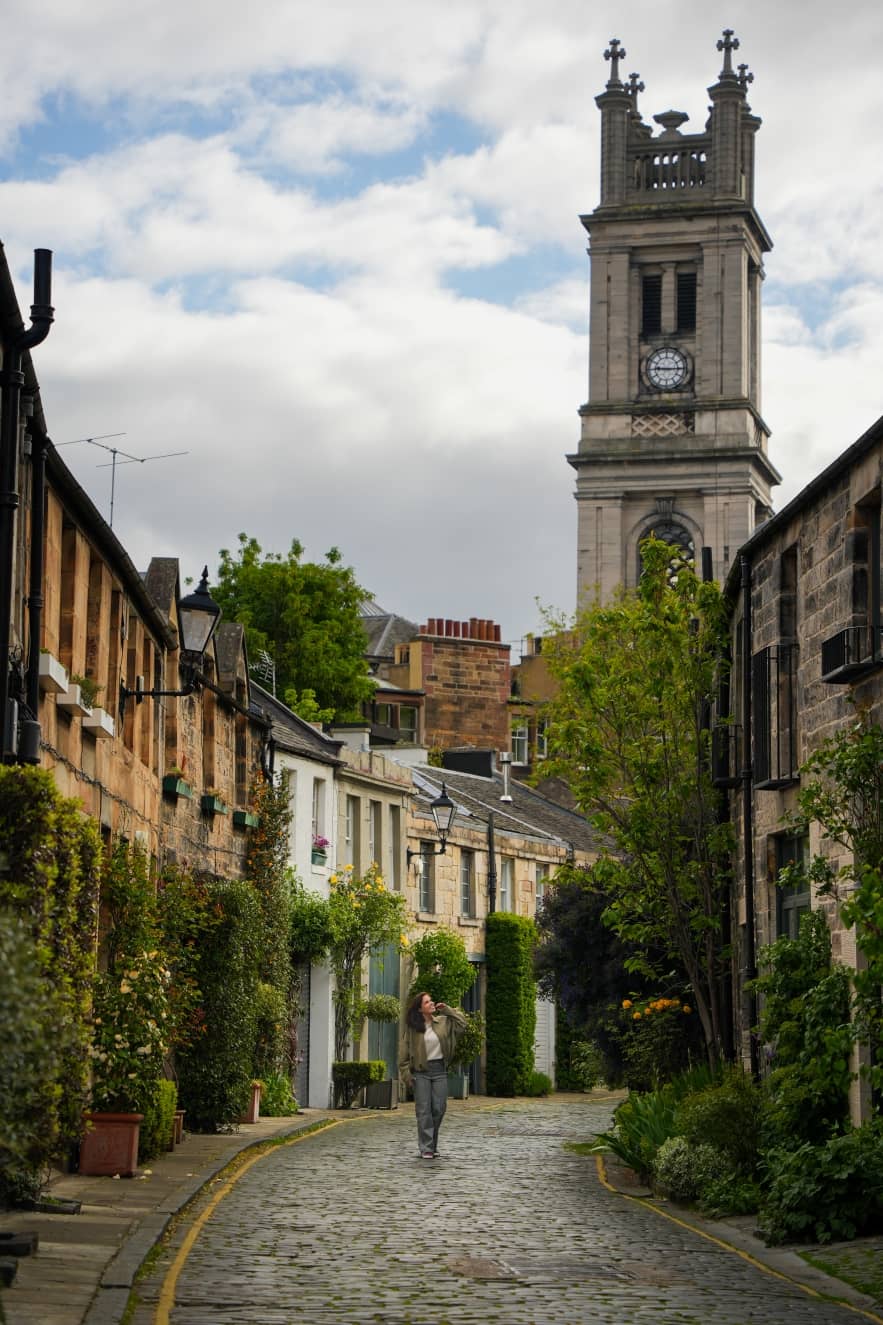
Your Trip to Scotland Starts Here

While many visitors arrive searching for Nessie, kilts, and bagpipes, Scotland has a lot more up its sleeve. Edinburgh charms with its historic streets and lively atmosphere, Glasgow keeps things creative and fun, and the Highlands serve up some of the most jaw-dropping road trip views in Europe.

From the dramatic landscapes of Glencoe and the Isle of Skye to centuries-old castles and legendary whisky distilleries, Scotland makes it remarkably easy to fill an itinerary. Add friendly locals, fantastic legends, delicious food, and enough sheep to outnumber the population, and you’ve got the perfect destination for your next adventure.

Frequently Asked Questions

Most European travelers visiting Scotland do not need a visa for tourism for short stays. However, they do need an ETA (UK Electronic Travel Authorisation), which you can apply for online. It costs £16, is valid for two years, and allows stays of up to six months for tourism.

This also applies to citizens of the United States, Australia, Japan, Canada, and around 80+ other visa-exempt countries. Nonetheless, these regulations can change at any time, so make sure to check the latest travel requirements before your trip.

Yes, you can drive in Scotland as a tourist. EU driving licences are fully valid in Scotland (just be prepared to drive on the left-hand side of the road). Travelers from other countries can usually drive with their home country licence, although some car rental companies may require an International Driving Permit (IDP).

The Right to Roam in Scotland is a law that allows people to access most land and inland waters for recreational activities such as walking, hiking, and wild camping, even if the land is privately owned, as long as they behave responsibly.

While technically you don’t need travel insurance to visit Scotland, it is highly recommended. It can cover medical care (which isn’t free for visitors), trip cancellations, lost luggage, and outdoor activity risks. The good news is that you can travel safely without breaking the bank!

Yes, Scotland is generally a very safe destination with low violent crime rates. The main risks are minor: petty theft in busy tourist areas, occasional scams, and outdoor hazards like rapidly changing weather or tricky hiking conditions in the Highlands.

Scotland is generally a moderately expensive destination – on par with the rest of the UK and Western Europe. While public museums are free and the Right to Roam allows for wild camping, costs for accommodation, dining out, and fuel can add up quickly, especially during the peak summer months.

Scotland uses the Type G plug, which features three rectangular prongs in a triangular pattern. The country operates on a 230V supply voltage and a 50Hz frequency.

Yes, Scotland has some of the cleanest and highest-quality tap water in the world. Sourced from its natural springs and lochs, it is entirely safe, strictly tested, and tastes excellent, so you can comfortably refill your water bottle anywhere.

Planning Time

Ready to plan your Scotland adventure?
Here’s a handy collection of links to help you make it happen! By using them, you’ll be supporting our work, as we may earn a small commission—at no extra cost to you. In fact, you might even snag a discount! It’s a win-win for everyone.

This applies to all links on this website that are marked with an *.